Wondering what day-to-day life in Jackson Heights actually feels like once the moving boxes are gone? If you are thinking about relocating here, you probably want more than a map and a train list. You want to know how the neighborhood works, what the streets feel like, and how easy it is to settle into a routine. This guide walks you through the housing, shopping, public spaces, and transit that shape everyday life in Jackson Heights. Let’s dive in.
Jackson Heights Has a Distinct Daily Rhythm
Jackson Heights stands out because its residential blocks, shopping corridors, and transit options are closely connected. Instead of feeling spread out, many parts of daily life are woven together in a way that supports walking, quick errands, and easy access to public transportation.
For newcomers, that often means your routine can become more neighborhood-based. You may find yourself walking to pick up groceries, stopping for a meal along a busy commercial street, and heading to the subway without needing a car for every part of the day.
Housing Shapes the Neighborhood Feel
One of the first things you may notice in Jackson Heights is that it does not read like a typical single-family neighborhood. According to the New York City Landmarks Preservation Commission, much of the historic district was built between the early 1910s and early 1950s as an innovative residential area centered on garden apartments and garden homes.
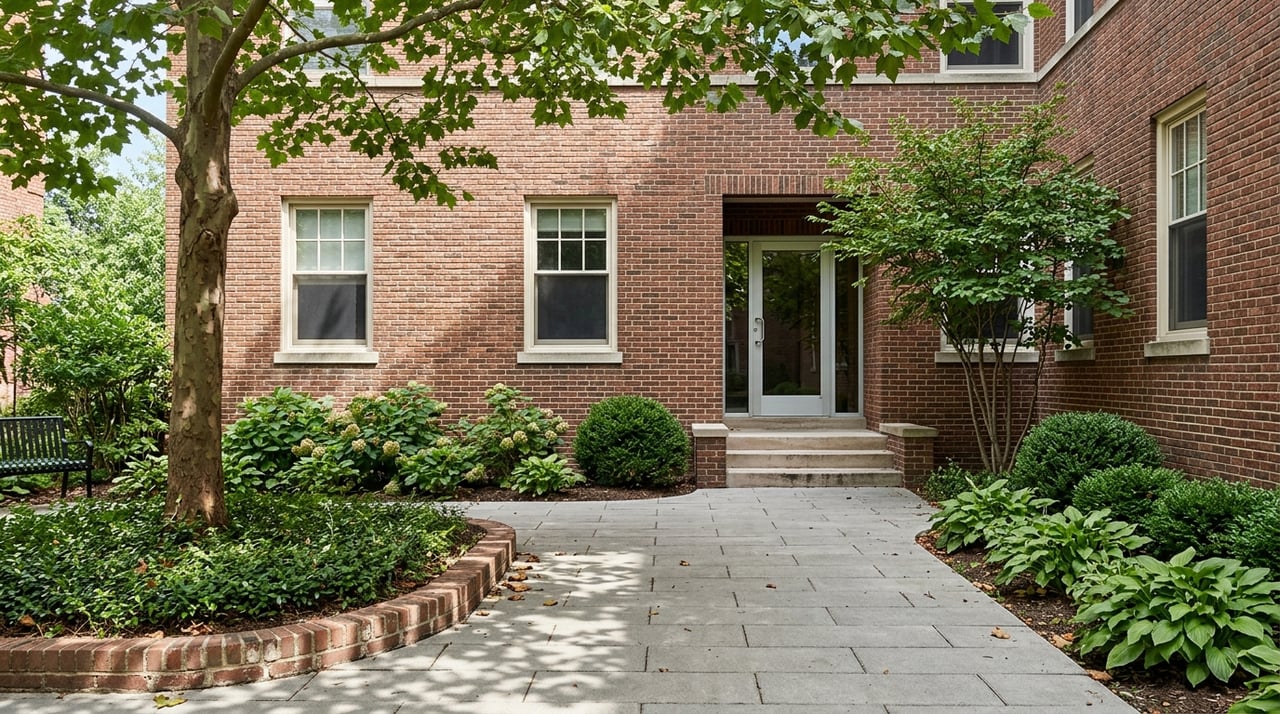
That planning approach still affects how the neighborhood feels today. Many blocks are defined by low-rise apartment buildings, cooperative buildings, and shared internal courtyard gardens that create a more landscaped, residential character than many people expect in New York City.
Garden Apartments Are Part of the Identity
Jackson Heights is especially known for cooperative apartment buildings with interior courtyards. City planning material describes these buildings as a key part of the neighborhood’s design, balancing residences, green space, and access to transit.
For you as a newcomer, that can translate into a streetscape that feels organized and established. Even if you are comparing co-ops, condos, rentals, or other housing options, it helps to understand that apartment living is central to the area’s identity.
Expect a Low-Rise, Landscaped Feel
In many parts of Jackson Heights, the built form feels human-scaled. Instead of block after block of towers, you are more likely to see mid-rise and low-rise residential buildings, often with architectural detail and a sense of continuity from one block to the next.
That layout matters in everyday life. It can make walking feel more comfortable and give the neighborhood a more cohesive feel, especially if you value a setting where homes, sidewalks, and public spaces feel closely connected.
Shopping and Errands Are Built Into Daily Life
Jackson Heights has a very active commercial core, and that is a major part of what makes the neighborhood practical for everyday living. The city’s Commercial District Needs Assessment identifies the area around the Jackson Heights-Roosevelt Avenue/74th Street-Broadway transportation hub as the anchor of local commercial life, with activity extending along 37th Avenue and Roosevelt Avenue to 82nd Street.
For you, this means errands do not have to feel like a separate trip. Daily needs, casual meals, specialty shopping, and professional services are concentrated in corridors that are easy to reach on foot or by transit.
74th Street Offers Specialty Shopping
The same city report identifies 74th Street as the heart of Queens’ Little India. It notes a mix of clothing, jewelry, housewares, books, and food businesses that give the corridor a very distinct retail identity.
If you are new to the area, this can be one of the first places where you notice how specific and locally rooted Jackson Heights feels. It is not just a place to pass through. It is one of the neighborhood’s defining everyday destinations.
Roosevelt Avenue Supports Everyday Meals
Roosevelt Avenue is described by the city as a corridor with Mexican, Ecuadorian, and Peruvian restaurants along with Latin American shops. In practical terms, that makes it one of the main places where many residents pick up casual meals or run quick errands.
This kind of concentration matters when you are choosing a neighborhood. It means you have a built-in variety of everyday options close to home, which can make your routine feel more flexible and convenient.
37th Avenue and 82nd Street Add Options
37th Avenue adds another layer of daily activity, with Colombian and Argentine businesses and sit-down dining noted in the city report. Meanwhile, 82nd Street functions as a broad local shopping street with both neighborhood-serving businesses and national retail.
Together, these corridors create a wider network of useful destinations rather than a single main street. That gives you more than one place to go for errands, food, and everyday needs, which is helpful when you are still learning the neighborhood.
Street Vending Is Part of the Streetscape
The city also notes that street vending is visible throughout the district. That contributes to the neighborhood’s active street life and is part of what many newcomers notice right away.
It adds to the sense that commercial activity in Jackson Heights is not limited to storefronts alone. The sidewalks themselves are an important part of how the area functions day to day.
Public Space Is Highly Visible
Public life in Jackson Heights is unusually easy to see. The neighborhood has several pedestrian-oriented spaces that help shape its rhythm, especially near the commercial core.
If you are deciding whether the area fits your lifestyle, this matters. Visible public space can change how a neighborhood feels from morning to evening and make it easier to spend time outside as part of a normal routine.
34th Avenue Supports a Pedestrian Routine
NYC DOT says 34th Avenue between 69th and 96th Streets is being transformed into the city’s first permanent Open Street. The project includes shared-street and plaza elements along with added landscaping.
For daily life, that means 34th Avenue is more than just a through street. It is a major part of the neighborhood’s pedestrian-first feel and a good example of how public space is built into the local experience.
Diversity Plaza Adds Civic Energy
Near the transit hub, the city designates Diversity Plaza at 37th Road between 73rd and 74th Street as extra pedestrian space that supports safety along with cultural and seasonal events. That makes it an important public node in one of the busiest parts of the neighborhood.
As a newcomer, spaces like this can help you get oriented quickly. They create recognizable gathering points and add to the sense that the neighborhood has a strong street-level identity.
78th Street Plaza Connects Blocks and Businesses
NYC DOT also identifies the 78th Street Plaza as a 10,000-square-foot plaza managed by the Jackson Heights Green Alliance and DOT. It sits between residential blocks and commercial corridors, which makes it part of the bridge between home life and daily errands.
That matters because in Jackson Heights, public space is not separate from everyday life. It is integrated into the places where people already walk, shop, and move through the neighborhood.
Transit Makes Car-Light Living Easier
Transit is one of Jackson Heights’ biggest everyday advantages. The MTA says the 74 St-Broadway/Jackson Hts-Roosevelt Av station complex is ADA accessible and serves the E, F, M, R, and 7 trains.
For you, that means you are not relying on just one subway line. Having multiple train options from one station complex can make commuting, meeting friends, and moving around the city more manageable.
The Main Hub Covers Multiple Lines
The station complex at 74th Street and Roosevelt Avenue is a major reason many people experience Jackson Heights as a transit-first neighborhood. A multi-line hub gives you flexibility if service changes or if your destination is better served by one line over another.
That kind of redundancy is useful in everyday life. It can make the neighborhood feel more connected and more practical if you expect to use public transportation regularly.
Airport Access Is a Real Convenience
The MTA also identifies the Q70 SBS LaGuardia Link and Q47 airport bus service at the same hub. For many residents, that gives the neighborhood an added layer of convenience for airport trips.
If you travel often or have visitors coming in and out of the city, easy airport access can be a genuine quality-of-life benefit. It is one of those details that may not seem huge at first, but it can make your routine smoother over time.
More Than One Station Area Helps
The MTA’s 7 line map also shows 82 St-Jackson Hts as another neighborhood station. That gives the area more than one useful station zone, which can affect where you choose to live based on your preferred blocks, commute, and daily stops.
When you are comparing homes, this is worth paying attention to. In Jackson Heights, transit convenience can vary in small but meaningful ways depending on how close you are to the main hub or to another station along the 7 line.
What Newcomers Should Keep in Mind
Jackson Heights works especially well for people who want a neighborhood where daily needs are closely connected. Historic apartment blocks, active business corridors, public plazas, and strong transit are all part of the same local pattern.
If you are planning a move, it helps to think beyond square footage alone. In a place like Jackson Heights, your experience of the neighborhood may be shaped just as much by courtyard-style housing, nearby shopping streets, and subway access as by the features inside the home itself.
For buyers and renters alike, that is why local guidance matters. If you are exploring co-ops, condos, or rentals in Jackson Heights, it helps to work with someone who understands how building type, block location, and transit access can change your day-to-day experience.
If you are considering a move to Jackson Heights and want practical guidance on co-ops, condos, rentals, or selling in Queens, Anna Diaz offers local, hands-on support with the clear communication and neighborhood insight that can make your next step feel a lot less overwhelming.
FAQs
What is everyday housing like in Jackson Heights?
- Jackson Heights is known for apartment living, especially cooperative buildings and historic garden-apartment blocks with shared courtyard spaces.
What shopping streets define daily life in Jackson Heights?
- Much of the neighborhood’s commercial activity is centered around 74th Street, Roosevelt Avenue, 37th Avenue, and 82nd Street.
What public spaces stand out in Jackson Heights?
- Key public spaces include 34th Avenue, Diversity Plaza, and 78th Street Plaza, all of which support a more pedestrian-oriented neighborhood experience.
What subway and bus options serve Jackson Heights?
- The 74 St-Broadway/Jackson Hts-Roosevelt Av hub serves the E, F, M, R, and 7 trains, and it also connects to the Q70 SBS LaGuardia Link and Q47 bus service.
What should a newcomer focus on when choosing a home in Jackson Heights?
- It is smart to consider not just the home itself, but also the building type, access to shopping corridors, nearby public space, and distance to subway stations.