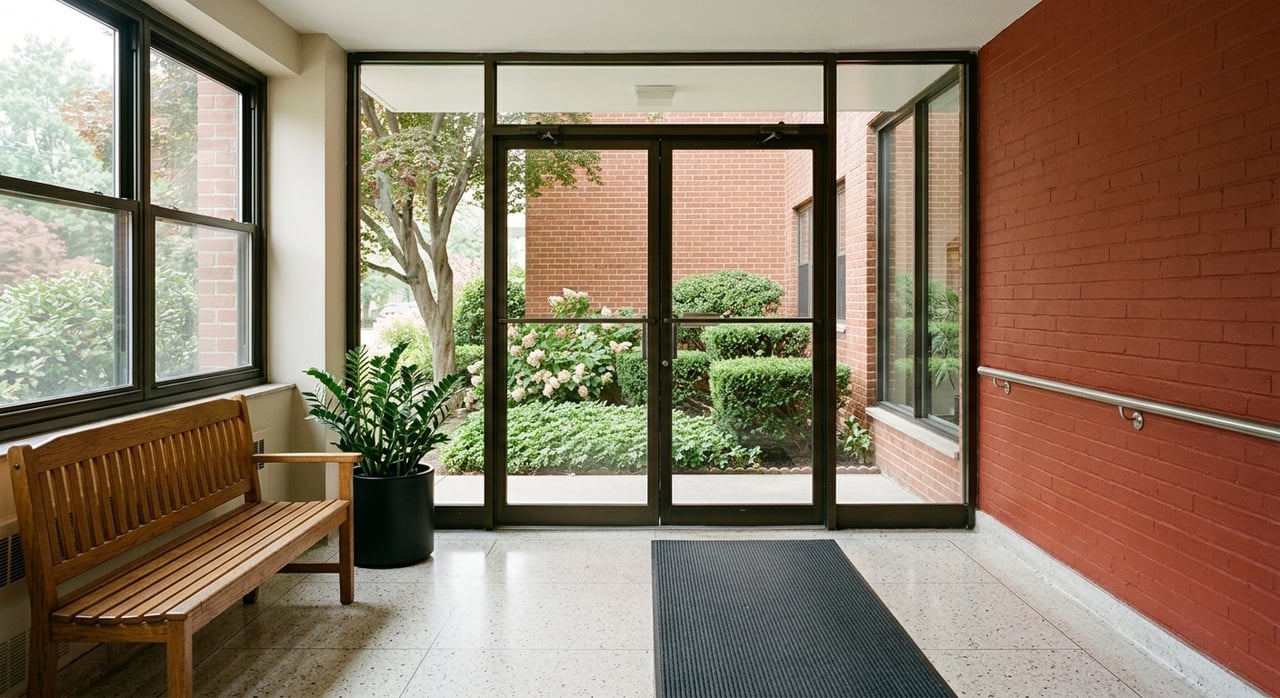
Buying in Oakland Gardens can feel simple at first glance. You find a low-rise building you like, picture your furniture in the living room, and start thinking about your offer. Then the real questions show up: Is this a condo or a co-op, what documents matter most, and how do you avoid surprises after closing? This guide will help you understand how to buy a condo or co-op in Oakland Gardens, what to review before you commit, and where careful planning can protect your budget. Let’s dive in.
Understand Oakland Gardens Housing
Oakland Gardens is part of Queens Community Board 11, and the area is known for housing developed largely in the 1950s, including single-family homes, two-family homes, and large cooperative garden apartment complexes. The neighborhood also borders landmarks and open space like the historic Vanderbilt Motor Parkway corridor and nearby community profile area, which helps explain why low-rise, garden-style buildings are such a common part of the local housing mix.
For you as a buyer, that matters because building style often shapes the buying process. In Oakland Gardens, your search may include established co-op communities and condo options where layout, common areas, parking, and outdoor space can vary from property to property. It also means your decision is not just about the apartment itself, but about the building structure and rules behind it.
Know the Condo and Co-op Difference
Before you make an offer, it helps to understand the legal difference between a condo and a co-op. According to the New York Attorney General’s guide to cooperatives, when you buy a co-op, you purchase shares in a corporation and receive a proprietary lease for the apartment. Your monthly maintenance is tied to the number of shares assigned to your unit.
In a condo, you own a specific real estate unit plus an undivided interest in the building’s common elements. The same Attorney General guidance explains that condo expenses are charged based on each unit’s common interest. That difference affects ownership, monthly costs, financing, and how the board or association reviews building operations.
Why the ownership structure matters
A co-op board is elected by shareholders and follows the building’s by-laws, proprietary lease, certificate of incorporation, and house rules. A condo board of managers must follow the declaration, by-laws, and house rules and act with prudent business judgment, as outlined in the Attorney General’s board guidance.
For you, this means the purchase process may feel different depending on the building. Co-op purchases often involve close review of board requirements and building rules, while condo purchases still require document review but follow a different ownership structure. Neither is automatically better. The right fit depends on your finances, goals, and comfort with the building’s policies.
Review the Building Before Making an Offer
One of the biggest mistakes buyers make is focusing only on the unit. The Attorney General recommends reading the full offering plan and consulting an attorney before signing a purchase agreement. That advice is especially important in Oakland Gardens, where much of the housing stock dates back decades.
An older garden apartment building is not a problem by itself. Still, older buildings can require a closer look at major systems and shared components. In a neighborhood with many mid-century properties, due diligence can help you understand what has been updated, what may need future work, and whether the monthly cost still fits your long-term budget.
What to inspect closely
The Attorney General’s checklist highlights physical items buyers should review, including:
- Facade
- Roof
- Flooring
- Appliances
- Sub-soil conditions
- Elevators, where applicable
- Air conditioning and heating systems
- Windows
- Electrical wiring
- Plumbing
If you are buying in a building with older infrastructure, these details can matter just as much as the kitchen finishes. A renovated interior can look great, but shared systems and common areas may still affect your ownership costs later.
Ask for the Right Documents
Your attorney will usually play a major role in this stage. According to REBNY’s due diligence guidance, customary documents requested by a purchaser’s attorney include board minutes, the offering plan and amendments, house rules and by-laws, a building questionnaire, and the two most recently audited financial statements.
These documents can tell you far more than a listing description ever will. They may reveal future capital projects, likely maintenance or common charge increases, special assessments, and building quality-of-life issues. In short, they help you see what ownership may look like after the excitement of the accepted offer wears off.
Key questions your review should answer
As you and your attorney review the file, try to answer questions like these:
- Are there planned capital improvements?
- Has the building discussed roof, facade, window, or system repairs?
- Are there current or possible special assessments?
- How strong are the building finances?
- What rules could affect your day-to-day use of the unit?
- Are there recurring issues mentioned in board minutes?
This step can save you from expensive surprises. It can also help you compare two similar-looking properties that come with very different long-term ownership costs.
Budget Beyond the Mortgage
A condo or co-op purchase is never just about the mortgage payment. The Attorney General notes that co-op owners pay recurring maintenance charges, while condo owners are responsible for common-interest expenses and costs set out in the governing documents. That means your monthly housing cost may include more than principal and interest.
You should also ask about reserve levels, special assessments, and any planned building work that could increase monthly expenses. If you are stretching to buy, these details are especially important. A unit that seems affordable on paper can become less comfortable financially if the building is facing major capital work.
Don’t overlook the NYC tax abatement
One local question worth asking is whether the building receives the NYC cooperative and condominium property tax abatement. The New York City Department of Finance says boards or authorized agents apply on behalf of the development, not individual owners, and the benefit can range from 17.5 percent to 28.1 percent depending on average assessed value.
The Department of Finance also says the unit must be your primary residence to qualify, and the filing window runs from August 3 to February 15. If you are comparing monthly costs between buildings, this is a smart question to raise early because it may affect your overall ownership expenses.
Prepare for a Paperwork-Heavy Process
If you are buying in Queens for the first time, the amount of paperwork can feel like a lot. REBNY’s owners and managers forms page includes documents such as a Board Minutes Review Agreement, a Financial Statement Worksheet, a Condo Purchase Application, and other forms tied to financing and building review.
That does not mean every purchase will feel overwhelming. It does mean you should be organized before you are under time pressure. Having your financial records, mortgage paperwork, attorney, and questions ready can make the process smoother from accepted offer through closing.
A simple Oakland Gardens buyer checklist
Here is a practical way to prepare:
- Confirm whether the apartment is a condo or co-op.
- Review monthly charges, not just the asking price.
- Ask about planned capital projects and special assessments.
- Have an attorney review the offering plan and building documents.
- Check building rules and day-to-day policies.
- Review audited financials and board minutes when available.
- Ask whether the development receives the NYC tax abatement.
- Evaluate the building’s age and condition with extra care.
Consider Location and Daily Life
Once the legal and financial side is clear, think about how the building fits your daily routine. Oakland Gardens offers access to nearby outdoor amenities like Alley Pond Park, which includes trails, kettle ponds, an environmental center, and an adventure course. Cunningham Park is also nearby, and local transit options include the Q88 bus route, which serves Oakland Gardens and connects with other Queens routes.
That does not mean every building offers the same convenience. You will want to check access building by building, especially if transit, green space, or nearby daily errands are high on your list. Even within the same neighborhood, one location may suit your routine better than another.
Work With Guidance That Fits Queens
Buying a condo or co-op in Oakland Gardens is not just a search process. It is a document process, a building review process, and a financial planning process all at once. When you understand the ownership structure, evaluate the building carefully, and prepare for the paperwork, you give yourself a better chance of making a confident decision.
If you want local guidance on navigating Queens co-op and condo purchases, including help understanding building documents and the next steps in the process, you can reach out to Anna Diaz to schedule a consultation.
FAQs
What is the difference between a condo and a co-op in Oakland Gardens?
- In a co-op, you buy shares in a corporation and receive a proprietary lease for the apartment. In a condo, you own the unit itself plus an interest in the common elements.
What documents should buyers review before buying a co-op or condo in Oakland Gardens?
- Buyers should have an attorney review items such as the offering plan, amendments, board minutes, house rules, by-laws, building questionnaire, and recent audited financial statements.
Why is building age important when buying in Oakland Gardens?
- Much of Oakland Gardens housing was developed in the 1950s, so buyers should pay close attention to the condition of shared systems and common areas, including roofs, windows, plumbing, wiring, and heating or cooling systems.
How do monthly costs work for Oakland Gardens co-ops and condos?
- Co-op owners typically pay maintenance based on shares assigned to the unit, while condo owners pay common charges and other costs governed by the building documents.
Should buyers ask about the NYC co-op and condo tax abatement in Oakland Gardens?
- Yes. The tax abatement can affect overall ownership costs, and boards or authorized agents apply for the development if eligible, while owners must use the unit as a primary residence to qualify.
What local features should buyers consider when choosing an Oakland Gardens building?
- Buyers often compare proximity to features like Alley Pond Park, Cunningham Park, and transit options such as the Q88 bus route, along with the specific location and access offered by each building.