If you want Queens access without the feel of a dense, high-rise neighborhood, Bayside may already be on your shortlist. For many buyers and movers, the big question is whether this part of northeastern Queens offers the right mix of space, convenience, and daily lifestyle. This guide will help you weigh what Bayside is really like, what kinds of homes you can expect, and who it tends to suit best. Let’s dive in.
What Bayside feels like
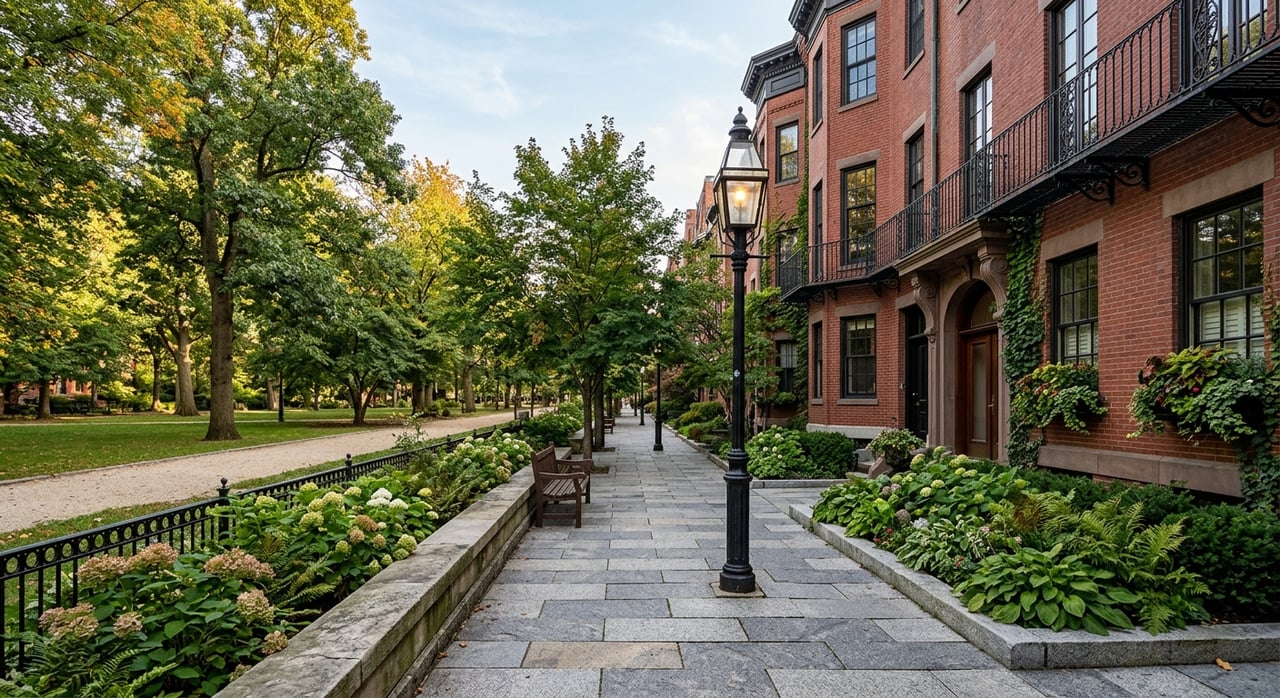
Bayside has a distinctly residential identity. According to the Queens Community Board 11 profile, the area is made up mostly of single-family homes, with some garden apartment complexes, and the New York City Department of City Planning describes the neighborhood as dominated by detached and semi-detached one- and two-family houses.
That matters if you are trying to avoid a more crowded, apartment-heavy environment. Bayside tends to feel lower-rise and more suburban than many other Queens neighborhoods, with shopping and dining concentrated along Bell Boulevard and Northern Boulevard rather than spread across every block.
Housing options in Bayside
If you are wondering whether Bayside only offers houses, the answer is no, but houses do shape the market. Brick Underground’s neighborhood overview notes that Bayside Proper includes one- to four-family houses, Bay Terrace includes condos and older co-op buildings, Bayside Hills is mainly single-family homes, and Oakland Gardens includes both houses and co-ops.
In practical terms, you will find a mix of:
- Single-family homes
- Two-family homes
- Some co-op buildings
- A smaller number of condos
The same source notes that single- and two-family homes predominate, while condos are less common. Much of the housing stock dates to the 1950s and 1960s, which can appeal to buyers looking for established residential blocks rather than newly built towers.
Who Bayside tends to fit best
Bayside often appeals to buyers who want a bit more breathing room. The Furman Center neighborhood profile shows that in 2023, Bayside/Little Neck had a 66.0% homeownership rate and a population density of 12.5 thousand persons per square mile.
Those numbers support what many buyers notice in person: Bayside is more owner-occupied and less dense than many parts of the city. If you are looking for quieter residential streets, a house-oriented housing mix, and a neighborhood that feels more settled than fast-changing, Bayside may line up with your goals.
It can also make sense if you are moving from a more suburban setting and do not want a dramatic shift. For some Nassau County movers, Bayside works as a middle ground between suburban living and city access.
When Bayside may be less ideal
No neighborhood is right for everyone, and Bayside has tradeoffs. If your top priority is living in a subway-first neighborhood with dense nightlife and a huge apartment inventory, Bayside may not be your strongest match.
Brick Underground points out that Bayside does not have its own subway line. Daily mobility often depends on the Long Island Rail Road, buses, and major roadways like the Cross Island Parkway, Long Island Expressway, and Clearview Expressway.
That does not make the neighborhood inconvenient. It just means your lifestyle fit depends on how comfortable you are using rail, bus, or car access instead of relying on the subway every day.
Parks and outdoor space
One of Bayside’s strongest lifestyle features is access to open space. If parks, waterfront areas, and outdoor recreation matter to you, this neighborhood has real advantages.
Crocheron Park offers a dog-friendly setting on the shores of Little Neck Bay, along with baseball, basketball, tennis, a playground, a scenic pond, and pedestrian-bridge access to the waterfront. It is the kind of amenity that can shape your everyday routine, whether you want to walk, exercise, or just spend more time outside.
For even more nature-focused recreation, Alley Pond Park adds trails, salt marsh views, kettle ponds, an environmental center, and an adventure course. Compared with denser parts of Queens, that level of nearby open space gives Bayside a very different feel.
There is also Bayside Marina, which includes slips and moorings. If you value boating or simply like being near the waterfront, that is another point in Bayside’s favor.
Getting around from Bayside
For many movers, transportation is where the Bayside decision becomes clearer. The neighborhood’s main rail option is the Bayside Long Island Rail Road station, which is on the Port Washington Branch and includes ramps, tactile warning strips, audiovisual passenger information systems, and Q13 and Q31 bus connections.
Service frequency is also worth noting. According to the MTA’s service standards document, Bayside is in Level 1 service, with peak headways of 20 minutes and off-peak and weekend headways of 30 minutes.
That setup can work well if you are comfortable planning around commuter rail service. If you want the feel of Queens but do not need a subway entrance a few blocks away, Bayside can offer a practical transportation balance.
Bayside vs denser Queens neighborhoods
Sometimes the best way to decide is by comparison. If you have looked at neighborhoods like Jackson Heights, the difference is not subtle.
The Furman Center reports that Bayside/Little Neck had a 2023 population density of 12.5 thousand persons per square mile, compared with 39.5 thousand in Jackson Heights. Homeownership was also much higher in Bayside/Little Neck at 66.0%, compared with 38.0% in Jackson Heights.
That suggests a clear tradeoff:
- Bayside may suit you better if you want lower-rise blocks, more private outdoor space, and a housing mix led by houses.
- Denser Queens neighborhoods may suit you better if you want more apartment inventory and a more transit-saturated environment.
Neither option is better across the board. It depends on how you want your day-to-day life to feel.
Questions to ask before moving to Bayside
If you are still deciding, ask yourself a few practical questions:
- Do you want a neighborhood that feels more residential than commercial?
- Are you open to using the LIRR, buses, or a car instead of relying on the subway?
- Do you prefer a market with more houses and fewer condos?
- Would nearby parks, waterfront access, and recreation improve your daily life?
- Are you looking for a middle ground between city access and a more suburban feel?
If you answer yes to most of those, Bayside may be a strong fit.
The bottom line on Bayside
Bayside is not the right move for every buyer, but it fills a specific role in Queens very well. It offers a lower-rise, more residential environment with a strong house presence, meaningful park access, waterfront amenities, and commuter-rail service that connects you to the wider region.
If you are looking for a neighborhood that feels calmer and more spacious than many other parts of Queens, Bayside deserves a serious look. And if you want help comparing Bayside with nearby Queens neighborhoods, exploring co-ops, condos, or houses, or planning your next move with clear local guidance, Anna Diaz can help you take the next step.
FAQs
Is Bayside, Queens a good fit if you want a quieter neighborhood?
- Bayside may be a strong fit if you want a lower-rise, primarily residential area with more houses and less density than many other Queens neighborhoods.
Is Bayside, Queens good for buyers looking for houses or co-ops?
- Yes. Bayside offers a mix of housing types, including single-family and two-family homes, co-ops, and some condos, though houses make up a large share of the market.
Is Bayside, Queens convenient for commuting?
- It can be, especially if you are comfortable using the Long Island Rail Road, local buses, and major roadways rather than relying on a neighborhood subway line.
Does Bayside, Queens have parks and waterfront access?
- Yes. Bayside offers access to Crocheron Park, Alley Pond Park, and Bayside Marina, which add outdoor recreation and waterfront-adjacent amenities.
How does Bayside, Queens compare with denser Queens neighborhoods?
- Bayside is generally less dense and more owner-occupied, which gives it a more residential and house-oriented feel than denser, more apartment-centered Queens neighborhoods.